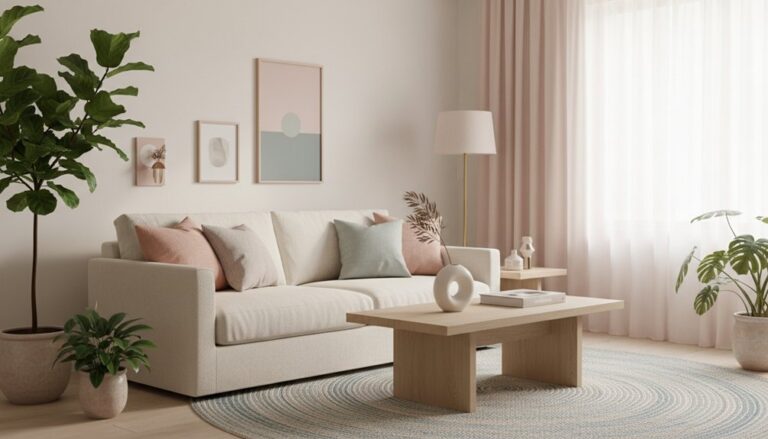
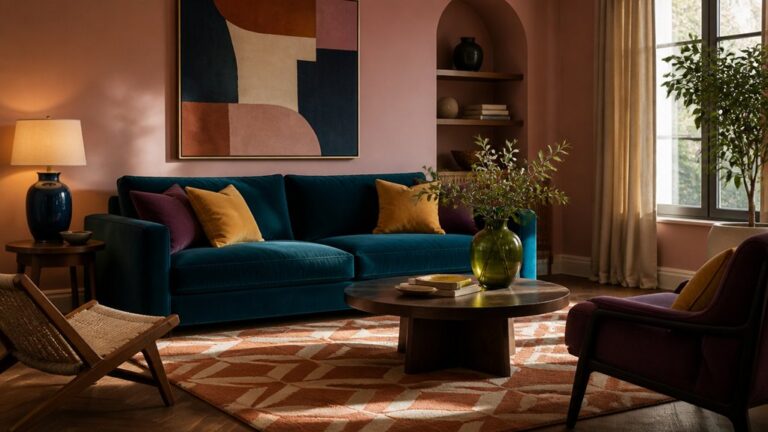
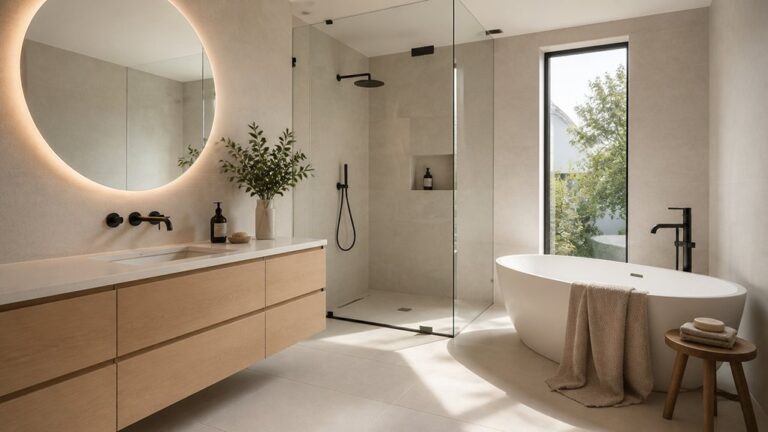
You’ll modernize a property fastest by scanning each room for dim zones, ceiling height, sightlines, and existing wiring, then setting one metal finish and a 2700K–3000K color target. Build layers: dimmable ambient LEDs for clean coverage, focused task lights for kitchens, desks, and vanities, and adjustable accents to highlight art and texture. Choose CRI 90+ and size fixtures to the space to avoid glare. Add smart dimmers and scenes, and you’ll see what to refine next.
Key Takeaways
- Scan each room for dark zones, natural light, ceiling height, and wiring to plan efficient fixture upgrades.
- Layer lighting: dimmable ambient for overall glow, focused task lights for work areas, and adjustable accents for art and textures.
- Keep a consistent 2700K–3000K color temperature throughout to maintain a cohesive, contemporary mood.
- Choose high-quality LEDs with 90+ CRI and appropriate lumen targets to ensure accurate colors and comfortable brightness.
- Add smart dimmers and scene controls for flicker-free fades, glare reduction, and easy room-by-room lighting adjustments.
Plan Your Contemporary Lighting (Fast Room Assessment)

Before you buy a single fixture, do a quick room scan to pinpoint what the space actually needs. Note how you use the room, where you pause, and what feels dim or flat. Track natural light by checking window size, direction, and any glare on screens or artwork.
Measure ceiling height, doorway sightlines, and furniture placement so new lighting won’t fight circulation. Identify hard surfaces that bounce brightness versus textiles that absorb it.
Audit existing wiring, switch locations, and outlet access to keep upgrades clean and cost-smart. Decide what stays: Vintage fixtures can anchor character, so you’ll plan around their scale and finish.
Capture photos, mark a simple floor plan, and set a cohesive metal and bulb-temperature target.
Layer Contemporary Lighting: Ambient, Task, Accent

Now you’ll layer contemporary lighting like a designer: start with clean, even ambient light. Then add focused task lighting where you cook, work, and get ready.
You’ll balance the two so the room feels bright without glare and functional without looking clinical.
Finish with accent lighting to spotlight art, textures, and architectural details, giving the space that curated, high-end edge.
Balance Ambient And Task
While statement pendants and sculptural sconces grab attention, your lighting plan works best when you balance ambient and task layers. Start with a clean, dimmable ambient base—recessed LEDs, slim flush mounts, or indirect cove light—so the room reads calm and contemporary.
Then add task lighting exactly where you work: under-cabinet strips for prep, adjustable downlights over islands, and articulated lamps at desks and bedsides. Use historical context to guide placement: keep light centered where period rooms expected chandeliers, but upgrade output and control for modern living.
Prioritize energy efficiency with high-CRI LEDs, occupancy sensors in circulation zones, and scene presets that reduce wattage without sacrificing comfort. You’ll get glare-free brightness, flexible moods, and client-ready functionality.
Highlight Features With Accent
Once you’ve set a smooth ambient layer and targeted task light, use accent lighting to curate what clients notice first—architectural texture, artwork, millwork, and material shifts. Aim adjustable spots at stone veining, fluted panels, or a statement canvas to create crisp contrast without glare.
Keep it contemporary by hiding sources: tuck linear LEDs under floating shelves, add toe-kick uplight, or graze a feature wall with a narrow-beam washer. Match the mood with color temperature—2700K for warm hospitality, 3000K for clean, gallery-like clarity—and keep it consistent across the sightline.
If you’re mixing Vintage fixtures with modern trims, let accents do the heavy lifting: highlight the patina, then fade the background with dimming and careful beam control.
Choose Contemporary Fixtures, Room by Room

Where should you start when you’re updating lighting to feel truly contemporary? Go room by room and match the fixture silhouette to how you live.
In the entry, choose a slim pendant or sculptural flush mount that sets a clean, welcoming tone.
In the kitchen, layer linear island lights with discreet under-cabinet strips for sharp task coverage.
In the living room, swap bulky chandeliers for arched floor lamps, track, or a minimal statement piece—then add dimmers for flexible mood.
In bedrooms, replace table lamps with wall-mounted swing arms to free nightstands.
In baths, use vertical sconces beside the mirror for flattering, even light.
Keep Vintage fixtures only as curated contrast, and align Color temperature across each zone.
Pick LED Specs That Modernize a Space (CRI, Kelvin, Lumens)
After you’ve chosen contemporary fixture shapes room by room, lock in the modern feel by getting the LED specs right—because the same pendant can read “designer” or “dated” depending on the light it throws.
Start with LED color temperature: 2700K stays warm and upscale for living areas; 3000K feels clean and current for kitchens and baths; 3500K–4000K can look gallery-crisp in offices when finishes skew cool.
Next, prioritize CRI color rendering—aim for 90+ so woods look rich, skin tones stay flattering, and paint colors read true in listings and photos.
Then size brightness with lumens, not watts: target layered totals around 1,500–3,000 lumens per bedroom, 3,000–6,000 for kitchens, and higher for task zones.
Add Smart Dimmers and Controls for Flexibility
Even if you’ve nailed fixture style and LED specs, smart dimmers and controls are what let you tune the space to the moment—and keep it feeling intentionally designed. Swap basic switches for dimmers that support smooth, flicker-free fades, then group lights into scenes for morning, hosting, and wind-down.
Choose systems with reliable app integration so you can adjust levels room by room, set schedules, and create automations that match how you actually live. Add Voice control for hands-free changes while cooking, carrying laundry, or settling in with a book.
If you’re updating a rental or resale property, prioritize platforms that integrate with common hubs and keep a clean wall-plate look. You’ll deliver a modern, premium experience without overcomplicating daily use.
Avoid These Modern Lighting Mistakes (Glare, Scale, Placement)
Smart controls give you flexibility, but the lighting still has to look and feel right in the room—no app can fix harsh glare, a fixture that’s the wrong size, or cans placed like a grid from a spec sheet. Choose LEDs with good shielding, warm dimming, and proper beam spreads so surfaces glow, not sparkle.
Get scale right: a statement pendant should visually anchor the seating or dining zone, while slim profiles keep sightlines clean. If you’re mixing Vintage fixtures into traditional design, balance them with quieter recessed or wall-wash layers so the room feels curated, not chaotic.
Place lights for tasks and texture, not symmetry alone. Center pendants over tables, align downlights with circulation, and offset cans from walls to avoid scallops and shadows.
Frequently Asked Questions
How Do Contemporary Lighting Upgrades Affect Property Resale Value?
Contemporary lighting upgrades can boost your property’s resale value by modernizing perceived quality and helping buyers justify a higher offer.
You’ll elevate aesthetic appeal with layered Lighting design—ambient, task, and accent—plus sleek fixtures that photograph well for listings.
You can also signal efficiency with LED retrofits and smart controls, which buyers now expect.
If you match color temperature, scale, and finishes to your interiors, you’ll reduce objections and shorten time on market.
Do I Need Permits or an Electrician for New Lighting Installations?
You often do need permits or an electrician, depending on scope and local code. Sleek, smart, statement fixtures can still trigger inspections when you add new circuits, move wiring, or upgrade panels.
For DIY installation, stick to simple swaps where wiring stays the same, and shut off power. Hire a licensed electrician for recessed cans, dimmers, or outdoor runs.
Factor lighting design considerations—load, placement, glare, and future-proof controls.
What Is the Typical Budget Range for a Whole-Home Lighting Update?
You’ll typically budget $2,000–$8,000 for a whole-home lighting update, but $10,000–$25,000 isn’t unusual for high-end fixtures and layered design.
You’ll spend less if you keep existing wiring and swap in smart bulbs.
You’ll spend more if you add recessed cans, pendants, and statement pieces.
Factor in lighting controls, dimmers, switches, and programming so scenes feel polished and resale-ready.
How Can I Match Contemporary Lighting With Existing Vintage Architectural Details?
Start by letting your vintage architectural details lead—then introduce contemporary lighting as the twist.
You’ll match styles by echoing shapes and finishes already present: repeat brass, aged nickel, or opal glass, but simplify the silhouettes.
Keep vintage fixtures where they shine, and layer in modern contrasts with slim LEDs, black accents, or sculptural pendants.
You’ll stay cohesive by aligning color temperature and scale to trim, ceiling height, and room purpose.
Are There Rebates or Tax Incentives for Switching to Energy-Efficient LED Lighting?
Yes—many utilities and governments offer rebates or tax credits when you switch to qualifying LEDs, but what you’ll get depends on your zip code and product specs.
You should check your electric utility’s marketplace, then search local and federal government incentives for ENERGY STAR or DLC-listed fixtures.
You’ll often stack upfront rebates with long-term energy savings.
Keep invoices, model numbers, and install dates, since applications require proof.
Conclusion
You’ve got everything you need to refresh your property with contemporary lighting—fast. Start with a quick room scan, then layer ambient, task, and accent light for a polished, editorial feel. Choose fixtures that suit each space, dial in LED specs (high CRI, the right Kelvin, enough lumens), and add smart dimmers so every moment looks intentional. Avoid glare, bad scale, and awkward placement, and your interior will shine like a perfectly tailored suit.
About the Author