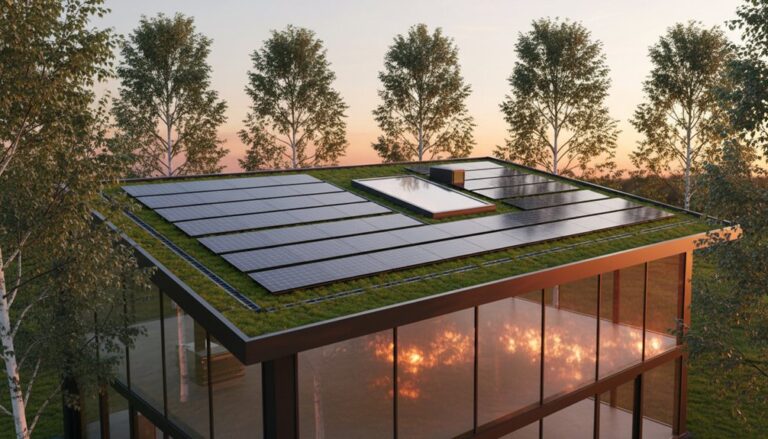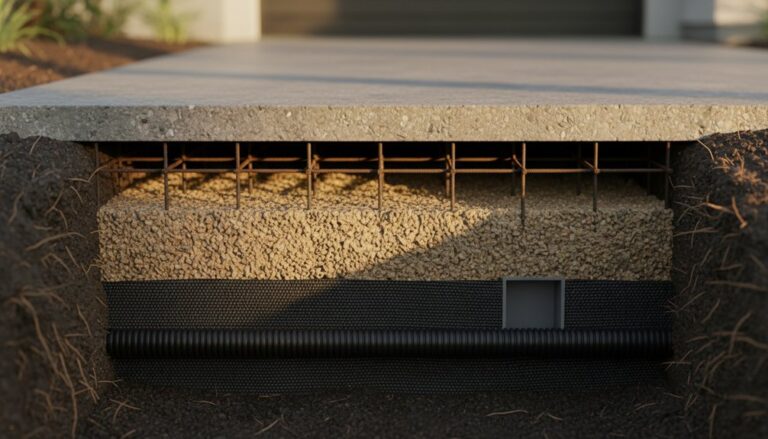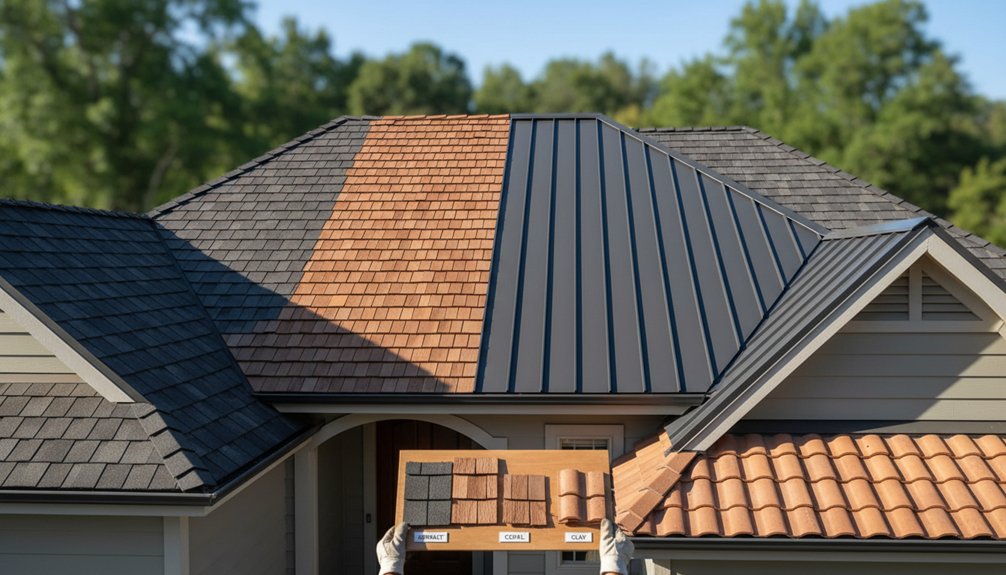
You’ll choose the right roof by matching material and full assembly to your slope, climate, and local code. Asphalt shingles cost less but last 15–30 years; standing-seam metal costs more but can last 40–70; tile runs heavier and pricier yet can reach 50–100; low-slope membranes suit flat roofs for 20–35. Specify correct underlayment, ice-and-water barriers, ventilation, and listed fasteners/flashings for wind, fire, and warranty compliance. Keep going to see selection checklists.
Key Takeaways
- Match roofing material to climate, wind zone, wildfire rules, and roof pitch to meet code and manufacturer requirements.
- Compare total lifecycle value: installed cost, expected lifespan, and durability, not just the lowest initial bid.
- Choose assemblies with correct underlayment, ice-and-water barriers, ventilation, and minimum slope to prevent leaks and premature failure.
- Specify corrosion-resistant flashings and listed fasteners at edges, valleys, and penetrations to maintain wind ratings and warranties.
- Consider energy efficiency, roof color limits, and cool-roof requirements to reduce heat gain while staying compliant with HOA and energy codes.
Roofing Options Overview: Shingles, Metal, Tile, More

Whether you’re re-roofing for code compliance or choosing a system for new construction, you’ll typically narrow your options to asphalt shingles, metal roofing, tile (clay or concrete), wood shakes, slate, and low-slope membranes—each with distinct requirements for slope, underlayment, fastening, flashing details, and fire and wind ratings.
Verify your roof’s minimum slope and ventilation, then match assemblies to local wind zones and wildfire rules. Specify ice-and-water barrier where required and use listed fasteners and corrosion-resistant flashings at valleys, penetrations, and edges.
Choose Roof color with heat gain and HOA limits in mind, but confirm manufacturer-approved pigments to preserve ratings. Plan for maintenance needs: clean debris from valleys, inspect sealants, and replace cracked units promptly to prevent concealed rot and leaks.
Compare Roofing Options by Cost and Lifespan

Because roofing assemblies age differently under UV exposure, thermal cycling, and wind uplift, you should compare options using installed cost per square and an expected service-life range—not just the upfront bid.
For installation cost comparison, asphalt shingles often run lowest installed, but you’ll typically plan for 15–30 years depending on rating and ventilation.
Standing-seam metal costs more per square, yet commonly delivers 40–70 years with proper fasteners and underlayment.
Concrete or clay tile carries higher structural and labor costs, but can reach 50–100 years when the deck meets load requirements.
Single-ply membranes for low-slope areas can be mid-cost with 20–35 years, assuming code-required drainage and edge securement.
Prioritize roof material durability verified by ASTM ratings and manufacturer warranties.
Best Roofing Options for Your Climate and Roof Pitch

Two variables—your climate zone and your roof pitch—should drive the roof system you select, since codes and manufacturers tie wind uplift, ice-dam protection, and drainage performance directly to those conditions.
In high-wind or hurricane regions, choose tested Roofing materials like impact-rated shingles or standing-seam metal, and require enhanced fastener schedules, starter strips, and sealed underlayment per local amendments.
In snow and ice zones, use ice-barrier membranes at eaves and valleys, specify higher nail counts, and keep penetrations minimized to reduce leak paths.
For low-slope roofs, use fully adhered membranes or modified bitumen; don’t install standard shingles below the minimum pitch in the listing.
For steep-slope assemblies, prioritize secure footing, fall protection, and manufacturer-approved Installation techniques.
Energy-Saving Roofing Options: Cool Roofs and Ventilation
As energy codes tighten and attic temperatures climb in summer, you can cut cooling loads and protect the roof deck by pairing a “cool roof” surface with a balanced ventilation plan. Choose products with tested solar reflectance and thermal emittance ratings; higher values reduce heat gain and help shingles, underlayment, and fasteners last longer. In hot climates, code may require cool-roof compliance on low-slope assemblies.
Then manage heat and moisture with intake at soffits and exhaust at ridge or high vents, sized per code ratios and baffle requirements. Keep insulation from blocking airflow, and maintain continuous air barriers so ventilation doesn’t pull conditioned air.
Use proper fall protection and follow manufacturer fastening patterns to preserve wind ratings and warranty.
Questions to Ask a Roofer Before Signing
Before you sign a roofing contract, ask the roofer pointed questions that verify licensing, insurance, code compliance, and safety practices—not just price and timeline.
Request license numbers, proof of general liability and workers’ comp, and confirmation they’ll pull permits and meet local wind, fire, and ice-barrier requirements.
Ask who supervises the crew, what fall-protection plan they’ll use, and how they’ll protect sheathing, flashing, and penetrations per manufacturer specs.
Require a written scope: underlayment type, ventilation calculations, drip edge, and flashing details.
Clarify disposal, deck repairs, and change-order pricing.
Get roofing warranties in writing: manufacturer coverage, workmanship term, and transferability.
Finally, ask for a Roof maintenance schedule and documentation requirements to keep warranties valid.
Frequently Asked Questions
How Do Roof Colors Affect HOA Approval and Neighborhood Resale Value?
Roof colors affect HOA approval because you must meet their palette rules, preserve color harmony, and maintain consistent aesthetic appeal.
You’ll reduce rejection risk by matching approved samples, documenting manufacturer specs, and submitting reflectance data if required.
For resale, you’ll attract more buyers when you choose neutral, neighborhood-aligned colors that don’t telegraph deferred maintenance.
You should also verify local energy-code requirements and fire-rating listings to avoid compliance and safety issues.
Will My Homeowner’s Insurance Change Based on Roofing Material Choice?
Yes—your homeowner’s insurance can change based on your roofing materials. Insurers rate fire, wind, and hail resistance, plus expected service life, so insurance premiums often drop with Class A fire-rated, impact-rated, and code-compliant assemblies.
Metal and high-rated asphalt may price better than wood shake. If you install to current IRC/IBC requirements, use documented underlayment, and pass inspections, you’ll usually qualify for mitigation credits and safer coverage.
Do I Need a Building Permit to Replace My Roof in My Area?
You’ll likely need a building permit—like a safety net stretched over your house—before you replace your roof, but it depends on local regulations.
Many jurisdictions require a roof permit for tear-offs, structural repairs, sheathing replacement, or material changes.
Call your building department or check their online portal for thresholds, fees, and inspections.
Don’t skip it: permits verify load, fastening, flashing, and fire ratings meet code.
How Long Can I Stay in My Home During a Full Roof Replacement?
You can usually stay in your home for the entire project, but you’ll need to manage noise, debris, and limited access.
Your roof replacement timeline typically runs 1–3 days for asphalt, longer for tile or structural repairs.
Follow indoor living considerations: keep children and pets away, cover attic items, secure HVAC intakes, and expect vibration.
If crews open decking or find rot, you may need temporary relocation.
What Roof Maintenance Schedule Prevents Leaks and Extends Warranty Coverage?
You’ll prevent leaks and protect warranty coverage by following a documented schedule: perform a roof inspection twice yearly (spring/fall) and after hail or wind events, using fall protection per OSHA.
Do quarterly gutter cleaning and confirm downspouts discharge away from the foundation.
Annually, verify flashing, sealants, and penetrations meet manufacturer specs and local code.
Keep photos, invoices, and repair logs; you can’t rely on undocumented work.
Conclusion
You’re ready to put your home under a better “weather shield” without stepping into costly surprises. Match the roofing system to your climate, pitch, and budget, then verify it meets current code, manufacturer specs, and local wind/fire ratings. Don’t skip ventilation, underlayment, and flashing details—they’re where failures quietly begin. Before you sign, confirm licensing, insurance, fall protection, and written warranties. Choose wisely now, and your roof will age gracefully, not prematurely.
About the Author