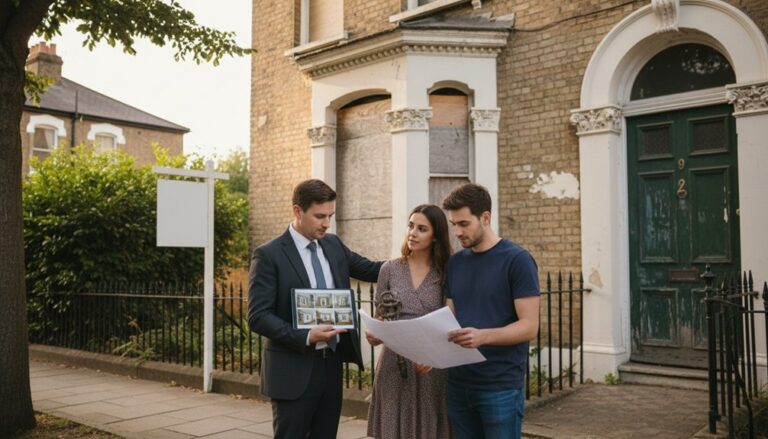
A property is one of the most significant investments a homeowner or business owner can make. Whether it is a family home, office building, retail space, healthcare facility, or industrial property, regular maintenance and timely renovations are essential for preserving its value, functionality, and safety. While many people wait until major problems arise before considering renovations, addressing issues early can save money, improve efficiency, and extend the lifespan of the building.
Property renovation is about more than updating the appearance of a space. It is an opportunity to improve structural integrity, modernize outdated features, enhance energy efficiency, and create an environment that better meets your current needs. Knowing when to renovate can help you avoid costly repairs while ensuring your property continues to perform at its best.
What Is Property Renovation?
Property renovation involves improving, repairing, or upgrading an existing residential or commercial building without completely rebuilding it. Renovation projects can range from cosmetic updates to extensive structural improvements, depending on the condition of the property and the owner’s objectives.
For residential properties, renovations may include home extensions, kitchen and bathroom updates, basement conversions, structural repairs, insulation upgrades, or complete home remodeling. Commercial renovations often involve office fit-outs, retail improvements, drywall installation, ceiling systems, framing modifications, tenant improvements, accessibility upgrades, and interior reconfigurations.
Professional renovation services ensure every improvement is completed safely, efficiently, and in compliance with local building regulations.
Why Renovating at the Right Time Matters
Delaying necessary renovations can lead to more serious structural problems, increased repair costs, reduced property value, and safety concerns. Small issues such as water damage, cracked walls, outdated insulation, or worn finishes can gradually develop into major construction problems if they are not addressed promptly.
Timely renovations help protect your investment while creating a safer, more comfortable, and more efficient environment. Whether you own a home or manage a commercial property, planning renovations before problems become severe is often the most cost-effective approach.
Key Signs Your Property Needs Renovation
1. Visible Wear and Tear
One of the clearest signs that a renovation is needed is noticeable deterioration throughout the property. Cracked walls, damaged ceilings, worn flooring, peeling paint, broken fixtures, or aging finishes not only reduce the property’s appearance but may also indicate deeper structural concerns.
While minor cosmetic issues may seem insignificant, they often point to underlying problems that should be professionally assessed before they worsen.
2. Structural Damage
Structural problems should never be ignored. Cracks in walls or foundations, sagging ceilings, uneven floors, moisture damage, or deteriorating framing can affect the safety and stability of the entire building.
Professional renovation allows contractors to identify the root cause of these issues and carry out repairs that restore the property’s structural integrity while preventing further damage.
3. Rising Energy Bills
Older buildings often lack modern insulation and energy-efficient construction materials. Poor insulation, outdated windows, damaged roofing, and air leaks force heating and cooling systems to work harder, increasing monthly utility costs.
Renovating with improved insulation, upgraded wall systems, energy-efficient windows, and better weather protection helps reduce energy consumption while creating a more comfortable indoor environment.
4. Your Space No Longer Meets Your Needs
Families grow, businesses expand, and property requirements change over time. A home that once provided plenty of living space may now feel overcrowded, while a commercial building may struggle to accommodate additional employees, equipment, or customers.
Renovation allows property owners to reconfigure layouts, create additional rooms, improve storage, or modernize workspaces without relocating.
5. Outdated Design and Features
Construction methods, materials, and design trends continue to evolve. Properties built many years ago may contain outdated layouts, finishes, lighting systems, or interior features that no longer meet modern expectations.
Renovating creates more attractive, functional spaces that improve everyday living while increasing the property’s overall appeal.
For businesses, updated interiors also create a stronger professional image and improve customer confidence.
6. Frequent Repairs Are Becoming Expensive
If you find yourself repeatedly repairing the same issues, it may be more practical to invest in a comprehensive renovation. Temporary fixes often become increasingly expensive while failing to solve the underlying problem.
Replacing aging building materials, upgrading structural systems, and completing professional renovations provide a long-term solution that reduces ongoing maintenance costs.
7. Water Damage and Moisture Problems
Water infiltration is one of the most common causes of property deterioration. Damp walls, mold growth, ceiling stains, peeling finishes, or musty odors often indicate moisture problems that require immediate attention.
Professional renovation includes repairing damaged materials, improving waterproofing systems, and addressing drainage issues before significant structural damage occurs.
8. Safety and Building Code Compliance
Building regulations continue to evolve to improve occupant safety and accessibility. Older residential and commercial properties may no longer comply with current construction standards.
Renovation projects provide an opportunity to upgrade structural components, improve fire safety, replace damaged materials, and ensure the property meets modern building codes.
9. Improving Property Value
Renovation is one of the most effective ways to increase property value. Modern layouts, quality construction, updated finishes, and energy-efficient improvements make properties more attractive to buyers, tenants, and investors.
Even if you are not planning to sell immediately, strategic renovations protect your investment while improving long-term marketability.
Benefits of Renovating Residential and Commercial Properties
Enhanced Functionality
Renovations improve how spaces are used by creating layouts that better support daily activities. Open living areas, modern offices, improved storage, and flexible workspaces all contribute to greater efficiency.
Better Comfort
Improved insulation, updated finishes, modern construction materials, and better lighting create healthier, more comfortable environments for families, employees, and customers.
Increased Energy Efficiency
Energy-efficient renovations reduce heating and cooling costs while supporting sustainable building practices. Improved insulation and modern construction techniques also help maintain consistent indoor temperatures throughout the year.
Stronger Structural Performance
Professional renovations strengthen aging buildings by repairing structural damage and replacing worn materials with modern, durable alternatives.
Improved Appearance
Updated interiors and exteriors create a fresh, modern appearance that enhances pride of ownership while leaving a positive impression on visitors and customers.
Long-Term Cost Savings
Although renovation requires an initial investment, it significantly reduces future repair costs, minimizes maintenance expenses, and extends the lifespan of the property.
Planning a Successful Renovation
Every successful renovation begins with careful planning. Property owners should first assess the current condition of the building, identify priorities, establish a realistic budget, and determine how the renovated space will be used in the future.
Working with experienced construction professionals ensures every phase of the project is properly managed. From planning and design to material selection and construction, skilled contractors help deliver quality results while minimizing disruptions.
Clear communication, realistic timelines, and attention to detail are essential for completing renovation projects efficiently and successfully.
Choosing the Right Construction Partner
Selecting a reliable contractor is one of the most important decisions in any renovation project. An experienced construction company provides expert guidance, quality craftsmanship, honest communication, and dependable project management from start to finish.
Professional builders understand how to identify structural concerns, recommend practical solutions, and complete renovations that meet both your expectations and current building standards. Their expertise helps avoid costly mistakes while ensuring the finished project provides lasting value.
Conclusion
Knowing when to renovate a property is essential for protecting your investment and maintaining a safe, functional, and attractive environment. Signs such as visible wear, structural damage, rising energy costs, outdated layouts, frequent repairs, moisture issues, and changing space requirements should never be ignored. Addressing these concerns through professional renovation helps improve comfort, enhance efficiency, increase property value, and extend the life of your home or commercial building.
Whether you are updating a family home, modernizing a commercial property, or planning future improvements, investing in professional renovation services ensures every project is completed with quality, precision, and long-term performance in mind. With the right construction team, your property can continue to meet your needs today while remaining a valuable asset for years to come.
About the Author